My Commonplace Book
A commonplace book is a thousand years old practice. Back in the day, the first century, Roman philosopher Seneca the Younger suggested readers collect commonplace ideas and have them for their education and remembrance in a single place (scroll). The practice became well established. As time moved forward preachers and theologians used a commonplace book to hold passages from the Bible for use as they traveled to preach. Philosophers, scientists, thinkers, gentlemen all used this as a way of keeping notes or themed collections of information.
By the eighteenth-century women, who were banded from higher learning, used a commonplace book to have access to information. Keeping a commonplace book is still a practice used today of course, customized to the user for the purpose they desire.
I had always thought it would be cool to keep a commonplace book but never got started. I didn’t think to just write down cool things I find. I do that now of course, and there should never have been anything stopping me. Writers especially need a place to keep the juicy things they find. We all know there is nothing new under the sun. We are all adding our own take to the good things we find from other artists.
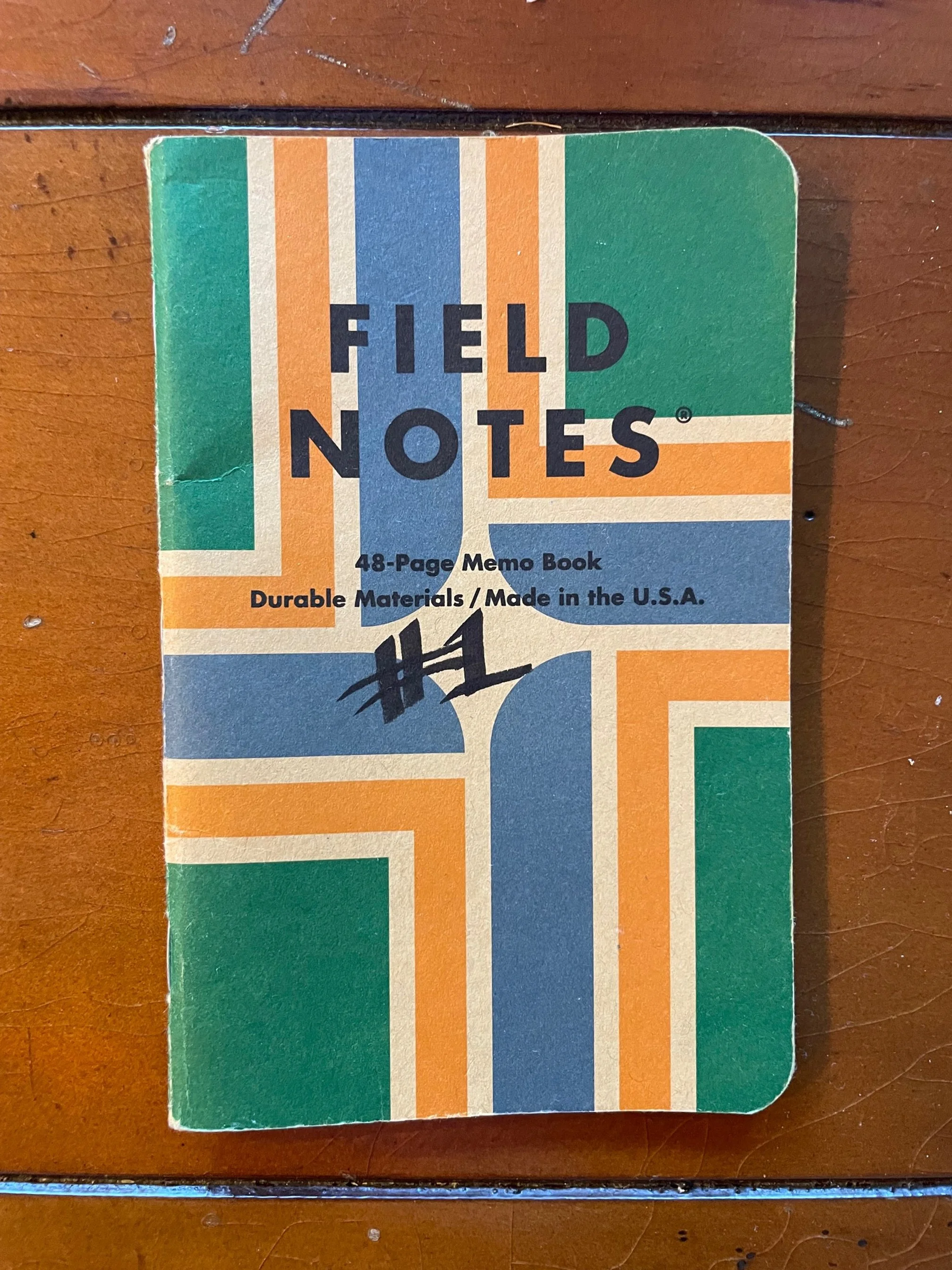
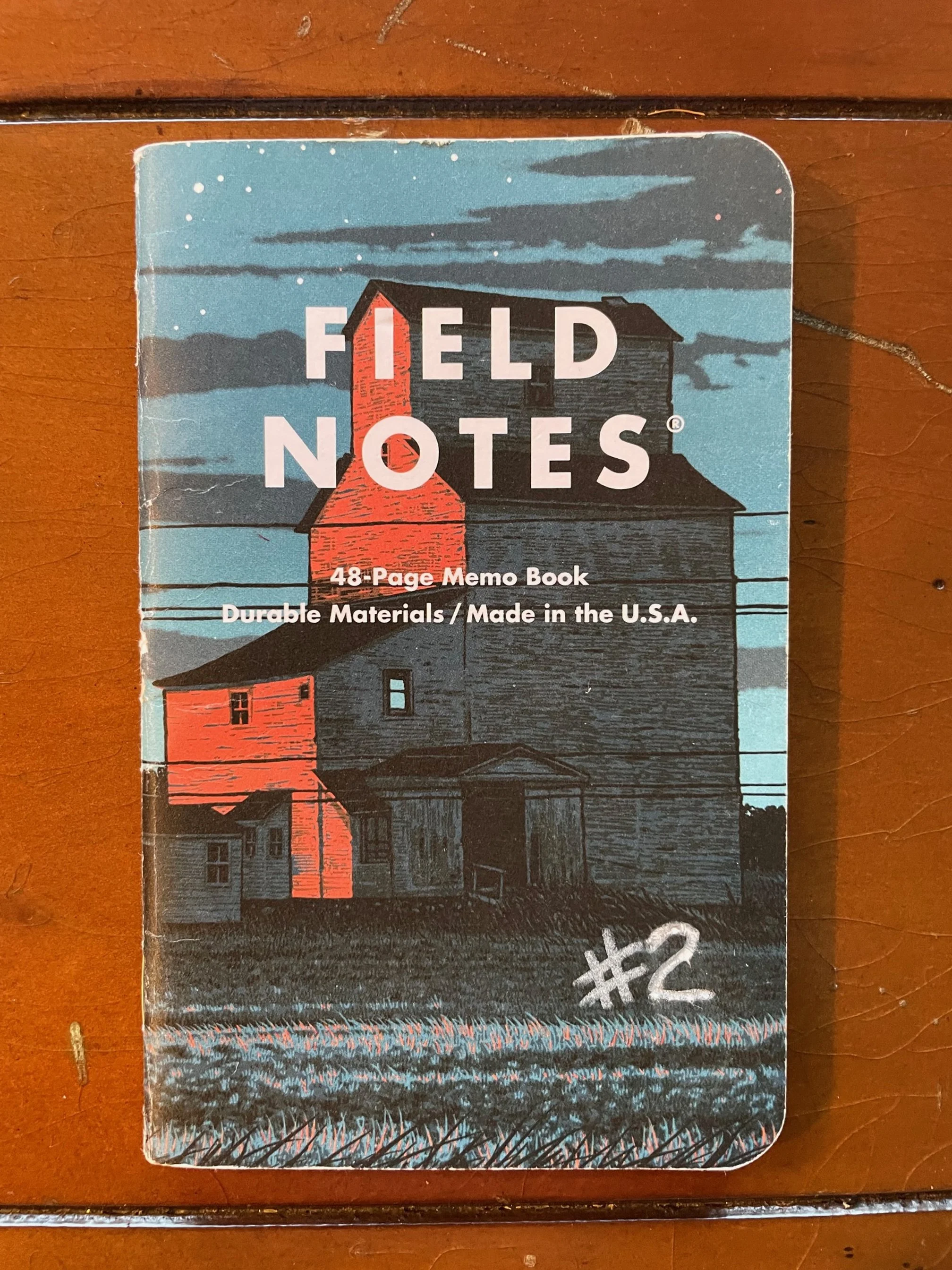
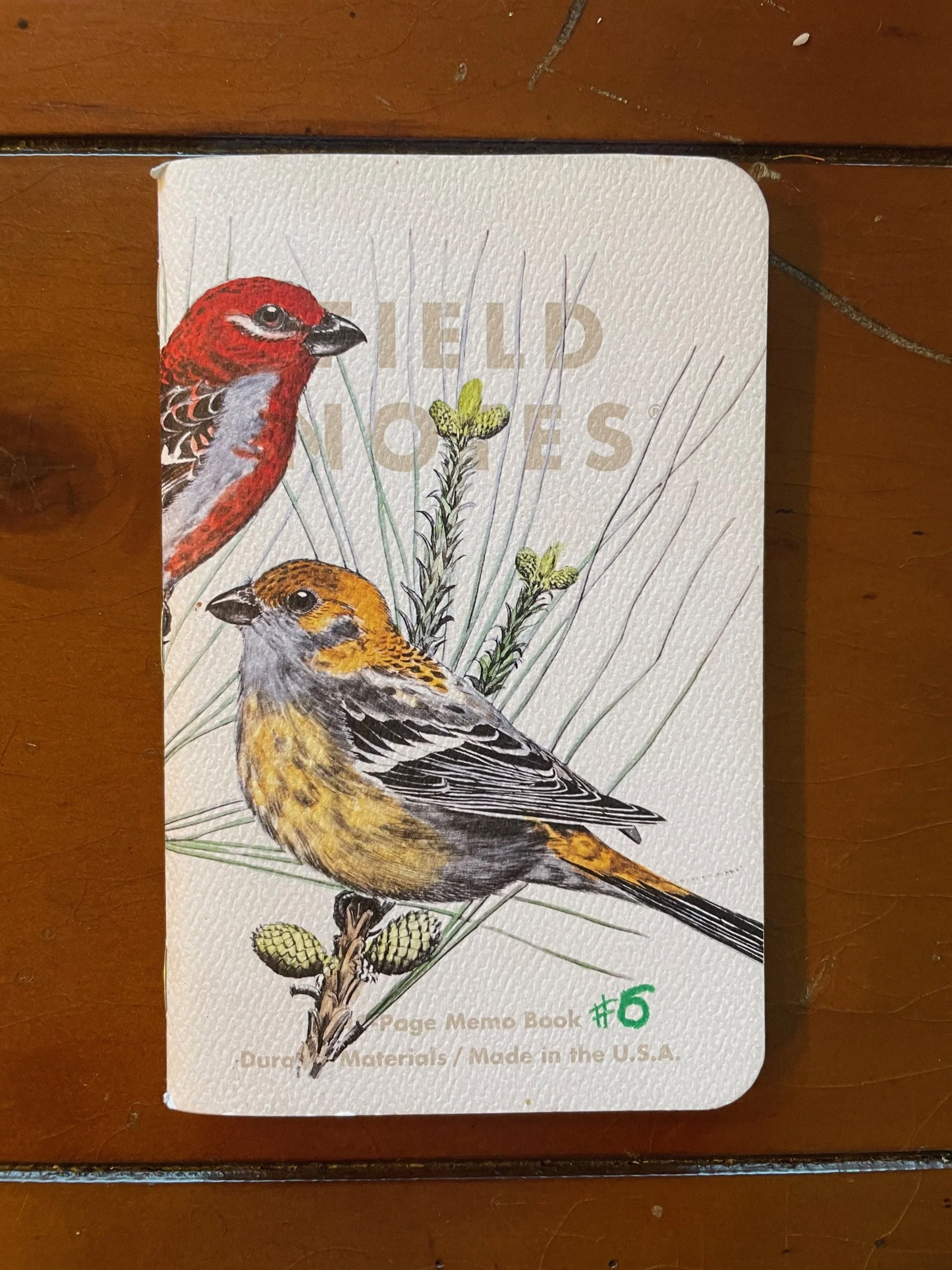
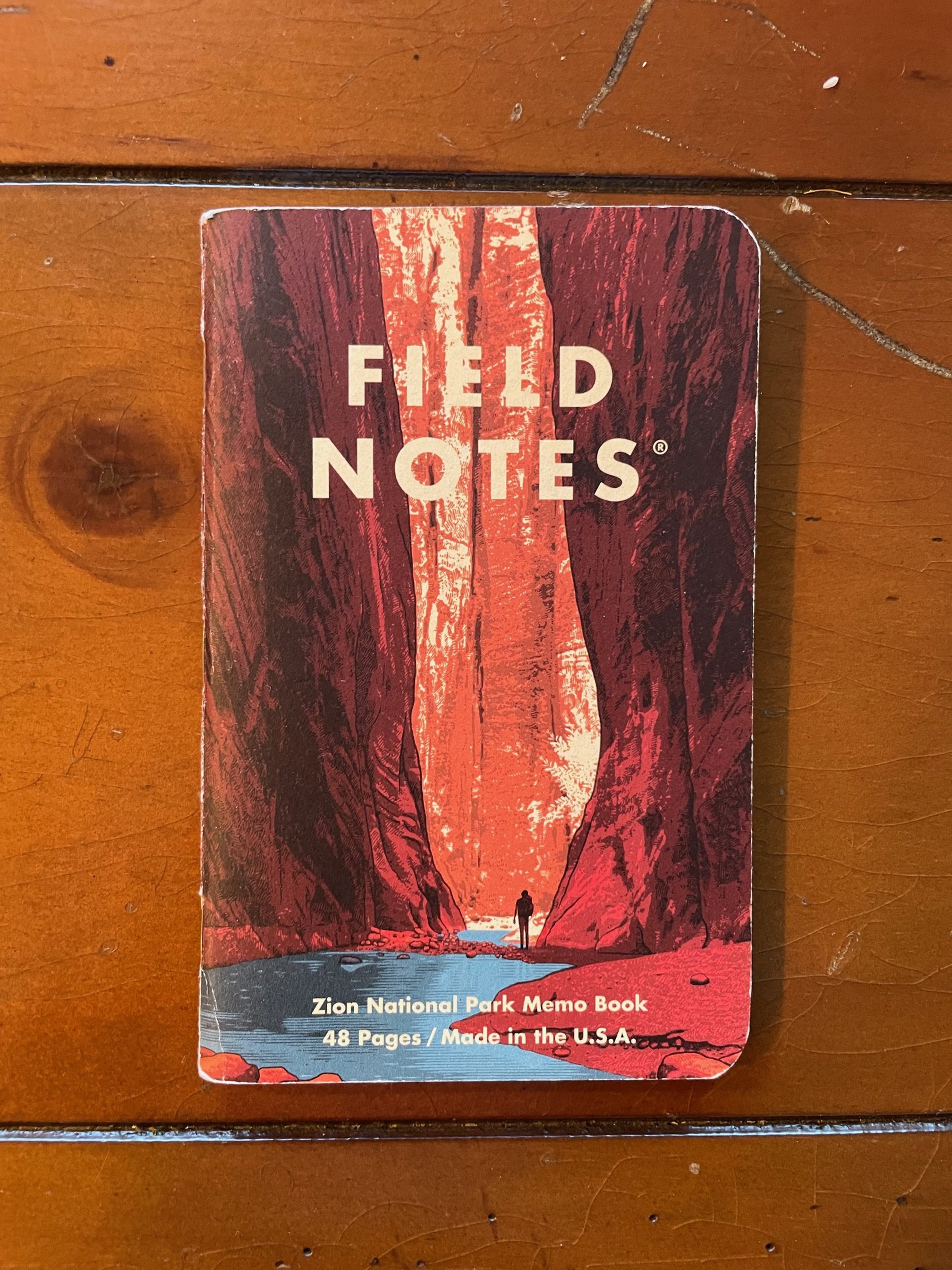
First, I had to have the right notebook. I wanted it to be something small enough to fit in my purse so I could carry it along with me whenever wherever. Next, I wanted it to be paper and not precious. I didn’t want a leather-bound thing that would scream for only the perfect quotes on its pages. I settled on Field Notes. They are little paper journals my son, Zach had turned me onto. I had several waiting for a reason to get filled with words. Now I could crack one open and fill it with the words of others that I found inspiring.
I wanted the collection to grow fast so I only wrote entries on the right-hand side of the pages. Truth is the Field Notebooks are so cute and come in so many styles that I wanted to use lots of them. The other rule for the entries was that the name of the person being quoted had to come first. I wanted to know whose words I read before I reread it, rather than guess at who was saying words I found interesting.
I started collecting.
The first tid-bit I entered in my journal was a silly one to break the ice so that I could have anything I wanted in the pages. Sacred to silly, it was all just for me. The first words were from a Facebook post that I scrolled by:
In every partnership there is a person who stacks the dishwasher like a Scandinavian architect and a person who stacks the dishwasher like a feral raccoon on meth.
I wish now that I can tell you who said that. It still makes me laugh out loud. It is in fact true at our house. Guess who is who?
At the time I began my collection I was reading Braiding Sweetgrass by Robin Wall Kimmerer and my second commonplace book entry was:
A good mother grows into a richly eutrophic old woman, knowing that her work doesn’t end until she creates a home where all of life’s beings can flourish.
I had to look up eutrophic and eutrophication: the process by which a body of water becomes enriched in dissolved nutrients that stimulate the growth of aquatic plant life usually resulting in the depletion of dissolved oxygen.
My commonplace book grew. I flipped open my little notebook every time I wanted to save words I could use later to illustrate. I collected quotes, Bible verses, song lyrics, prayers, and motivational phrases all on the theme of travel, pilgrimage, and searching. I subscribed to GratefulLiving.com which sent me a daily email of gratitude. I jotted down every one that appealed to me. I kept my eyes and ears open as I read articles and books, listened to messages at church, and heard music.
I just started my tenth little notebook of juicy quotes and lovely saying. I highly recommend this practice. I always have inspiration to draw but more importantly I have a place to look for encouragement when I need it. Mmmm